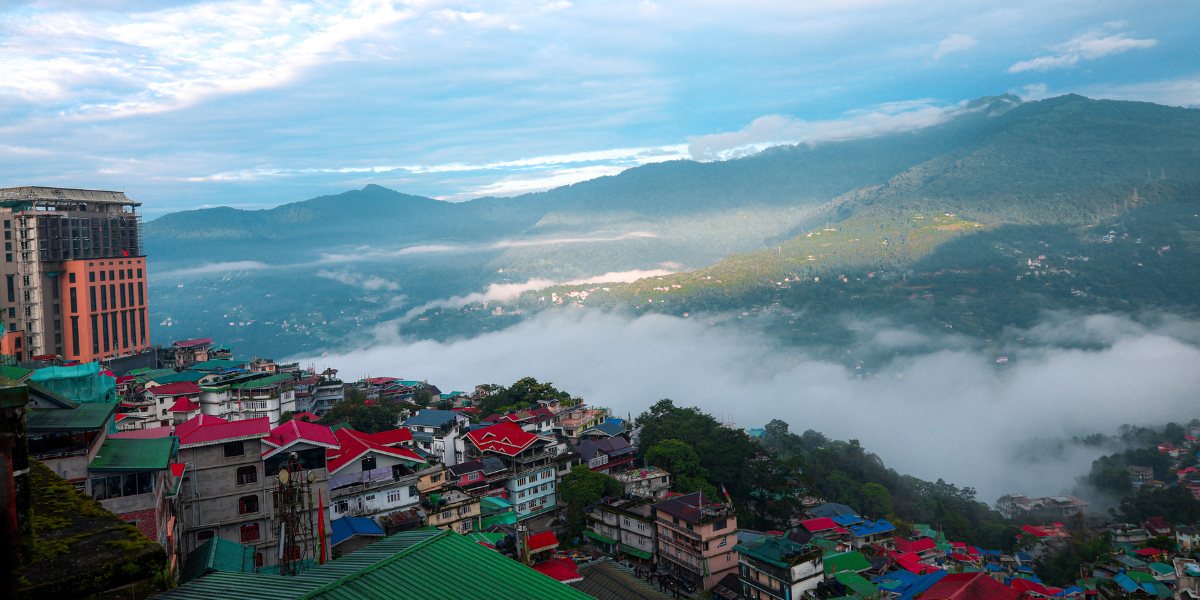
Planning a trip to Sikkim’s capital requires understanding the best season Gangtok offers and choosing hotel locations that match your travel goals. Gangtok’s weather, altitude, and terrain change the travel experience significantly across seasons. From clear mountain views in winter to lush landscapes during monsoon, each period offers something different.
Along with timing, where you stay in Gangtok plays a major role in comfort, sightseeing ease, and overall experience. This guide shares practical Gangtok travel tips, explains seasonal differences clearly, and helps you understand which hotel locations work best—while highlighting why properties like Hotel Evara Hills are well-suited across seasons.
Best Season to Visit Gangtok: A Seasonal Breakdown
Understanding the best season Gangtok depends on what you want from your trip—clear views, pleasant weather, or fewer crowds. Gangtok experiences four distinct seasons that directly impact travel conditions.
Spring (March to May) is one of the most popular times to visit. The weather remains mild, flowers bloom across the hills, and visibility is generally good. Summer months are comfortable compared to plains, making this season ideal for sightseeing and short walks.
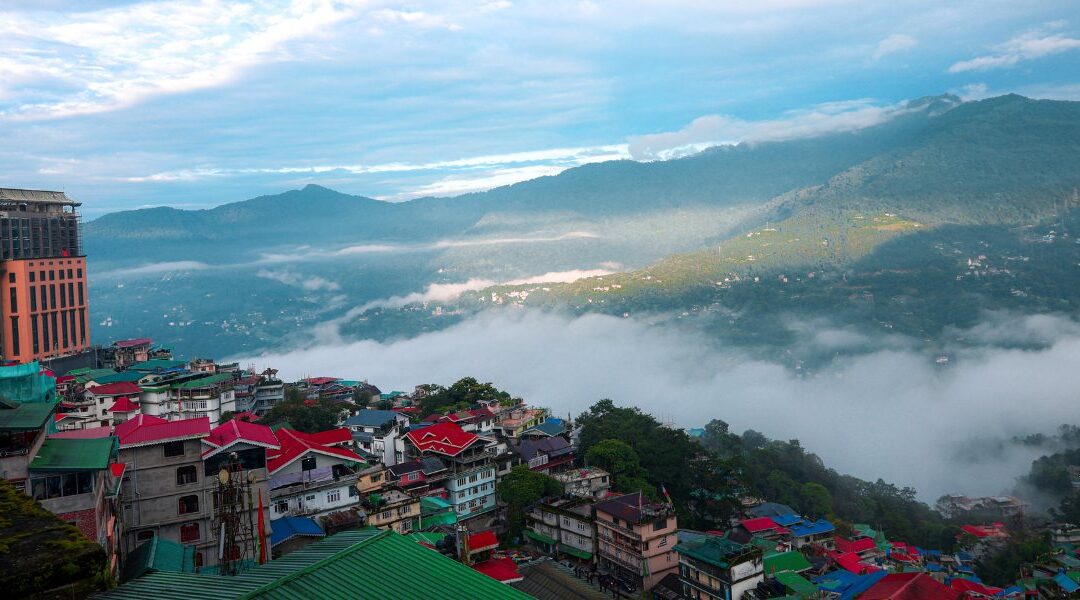
Autumn (October to November) is another preferred period. Post-monsoon skies are clearer, offering better mountain views, including Kanchenjunga on clear mornings.
Winter (December to February) brings cold temperatures, especially at night. While snowfall is limited within Gangtok town, nearby areas experience snow, attracting winter travellers.
Monsoon (June to September) sees heavy rainfall, occasional landslides, and reduced visibility. Travel is possible but requires planning and flexibility.
Month-by-Month Weather Guide for Gangtok
Detailed monthly awareness improves Gangtok travel tips planning and avoids unrealistic expectations.
- January–February: Coldest months, temperatures often drop below 5°C at night. Ideal for travellers comfortable with cold weather.
- March–April: Pleasant days, cool evenings, and blooming landscapes. One of the most balanced travel periods.
- May: Slightly warmer but still comfortable. Gangtok is not cold during the day, but nights remain cool.
- June–September: Frequent rainfall and cloudy conditions. Travel delays can occur.
- October–November: Crisp air, stable weather, and excellent visibility. Often considered peak season.
- December: Cold, festive atmosphere, with chances of snow in nearby regions.
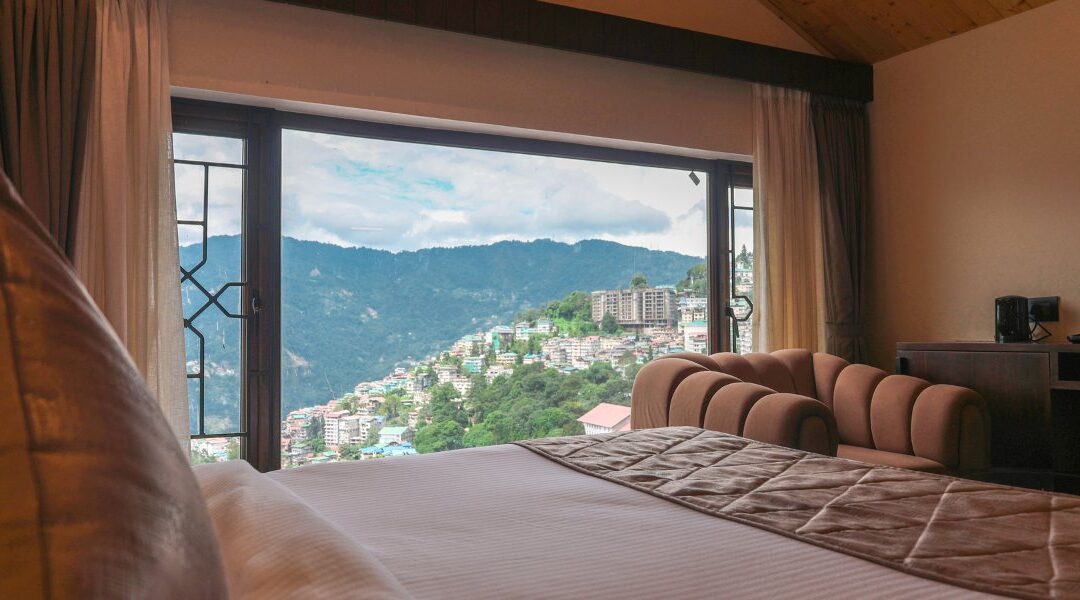
Hotel Evara Hills remains operational and comfortable across seasons, offering insulated rooms and location advantages that help guests adapt to changing weather conditions.
Ideal Hotel Locations in Gangtok by Travel Purpose
Choosing the right location is as important as selecting the best season Gangtok for your visit. Gangtok’s terrain means elevation and distance from crowded zones affect comfort.
Hotels near MG Marg offer easy access to shopping, dining, and local transport. However, these areas can be busy during peak seasons. Hillside locations slightly away from the main market provide quieter surroundings and better views, though they require short drives to central areas.
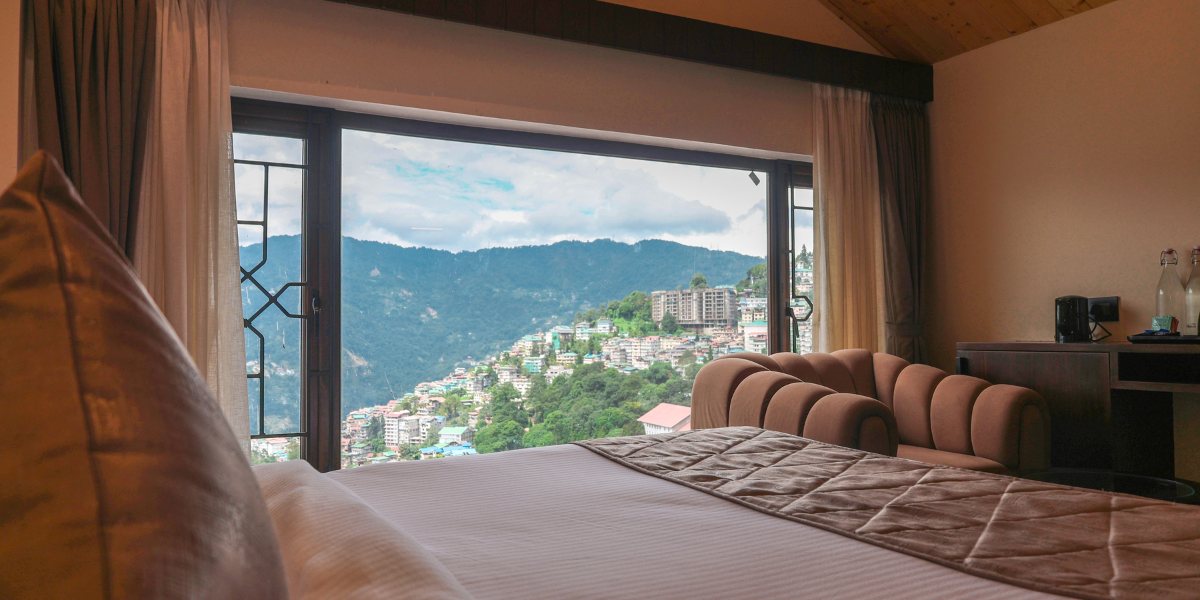
For travellers focused on relaxation, scenic surroundings, and calm mornings, elevated areas are often more suitable. Hotel Evara Hills is positioned to balance accessibility with peaceful surroundings, making it ideal for couples, families, and travellers seeking a slower pace.
Peak Tourist Seasons and Crowd Management Tips
Peak travel periods in Gangtok usually fall during March–May and October–November. During these months, hotel availability tightens, and prices reflect demand. Booking in advance is a key Gangtok travel tip to avoid limited options.
During peak seasons, staying slightly away from high-traffic areas reduces congestion-related fatigue. Properties like Hotel Evara Hills offer an advantage by providing a quieter stay while still allowing convenient access to city attractions.
Off-season travel during monsoon months may offer lower prices, but travellers should be prepared for weather-related changes in plans.
Winter Travel in Gangtok: What to Expect
Winter is often misunderstood when discussing the best season Gangtok. While Gangtok does get cold, it does not experience heavy snowfall within city limits. Snow is more common in nearby destinations like Nathula Pass, subject to permits and road conditions.
Hotels during winter should offer proper heating, insulation, and accessible roads. Hotel Evara Hills ensures winter comfort through well-maintained facilities and clear access routes, making it a dependable option for cold-season travel.
Winter mornings also provide some of the clearest views of surrounding mountains, enhancing the overall experience for nature-focused travellers.
How Long Should You Stay in Gangtok?
A common Gangtok travel tip question is trip duration. Two days are sufficient for covering key attractions within Gangtok town, including MG Marg and nearby viewpoints. However, a three- to four-day stay allows time for nearby excursions and relaxed exploration.
Choosing a hotel that offers comfort and quiet surroundings improves short stays by reducing travel fatigue. Hotel Evara Hills caters well to both short and extended stays due to its balanced location and calm environment.
Conclusion: Planning the Perfect Gangtok Trip
Selecting the best season Gangtok depends on weather preference, crowd tolerance, and travel goals. Spring and autumn remain the most balanced periods, while winter appeals to cold-weather enthusiasts. Monsoon travel requires flexibility and careful planning.
Equally important is hotel location. Staying in a peaceful, elevated area enhances comfort without sacrificing accessibility. Hotel Evara Hills offers a well-rounded stay option, supporting travellers across seasons with clarity, comfort, and reliable service.
Plan your Gangtok visit thoughtfully and book directly with Hotel Evara Hills for a well-located and season-ready stay.
FAQs
Which month is better to visit Gangtok?
March to May and October to November are considered the best months due to pleasant weather and visibility.
Which month is the snowfall in Gangtok?
Gangtok town rarely experiences snowfall. Snow is more common in nearby higher-altitude areas during December to February.
What are Gangtok's peak tourist seasons?
Spring (March–May) and autumn (October–November) are peak tourist seasons.
What is the coldest month in Gangtok?
January is typically the coldest month, with low night temperatures.
Is 2 days enough for Gangtok?
Two days are enough for major town attractions, but 3–4 days provide a more relaxed experience.
Is Gangtok cold in May?
No. May is generally pleasant during the day, with cooler evenings.