Planning a trip to Sikkim’s stunning capital? Knowing the best time to visit Gangtok can help you enjoy pleasant weather, clear views of Kanchenjunga, and the right mix of snowfall, sightseeing, and adventure. Whether you love winter chills, monsoon greenery, or spring blossoms—Gangtok changes beautifully through the seasons. This guide explains the ideal months to visit based on what you want to experience, plus real insights, expert-backed tips, and answers to popular traveler questions.
Understanding the Best Time to Visit Gangtok (Quick Overview)
- For Snow: December to February
- For Sightseeing: March to June and October to mid-December
- For Adventure Activities: March to June
- To Avoid Heavy Rains: Skip late June to September (monsoon season)
These seasonal variations are based on tourism data, local travel updates, and Sikkim Government advisories.
Best Time to Visit Gangtok for Snow (December to February)
If your dream is to see snow-capped mountains or experience fresh snowfall, winter is the perfect time.
What to Expect in Winter
- Temperatures drop to 0°C – 7°C
- Snowfall occurs mainly around Tsomgo Lake, Nathula Pass, and Zero Point
- Clear skies offer majestic views of Kanchenjunga
Winter Travel Tips
- Carry warm layers, gloves, and waterproof shoes
- Nathula Pass may shut temporarily due to heavy snow (check updates from the Tourism Department)
- Book hotels early—winter attracts snow lovers from all over India
Who Should Visit in Winter?
- Snow seekers
- Honeymoon couples
- Adventure enthusiasts who enjoy cold climates
Best Time for Sightseeing in Gangtok (March to June)
The summer season is widely considered the best time to visit Gangtok for scenic beauty and sightseeing.
Why Summer Is Ideal
- Pleasant weather around 15°C – 22°C
- Full access to popular attractions including:
- MG Marg
- Tashi View Point
- Rumtek Monastery
- Ganesh Tok
- Hanuman Tok
- MG Marg
Activities You Can Enjoy
- Ropeway rides
- Nature walks
- River rafting in Teesta
- Cable car tours
Summer is also great for families and group travelers who want comfortable weather and easy mobility.
Best Time for Adventure Activities (March to June & October)
Gangtok is a hotspot for adventure tourism, offering:
- Paragliding at Baliman Dara
- Trekking to Varsey or Dzongri
- Mountain biking routes
- River rafting in Teesta
The skies stay clear, trails remain accessible, and temperatures remain moderate—perfect for outdoor fun.
Autumn (October) Is Also Perfect
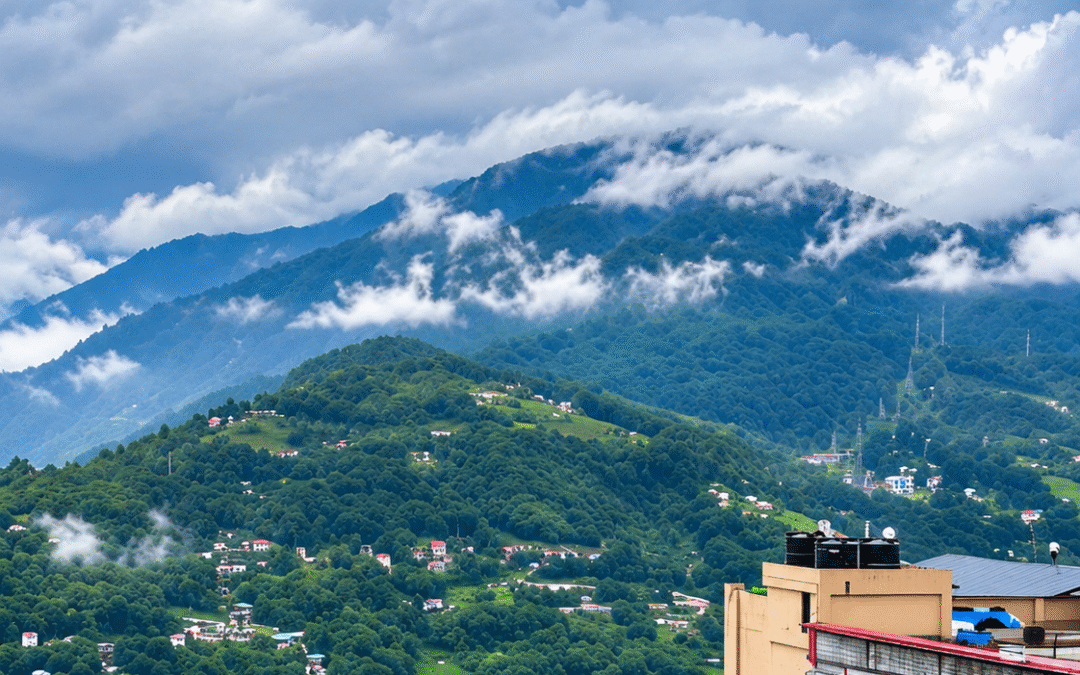
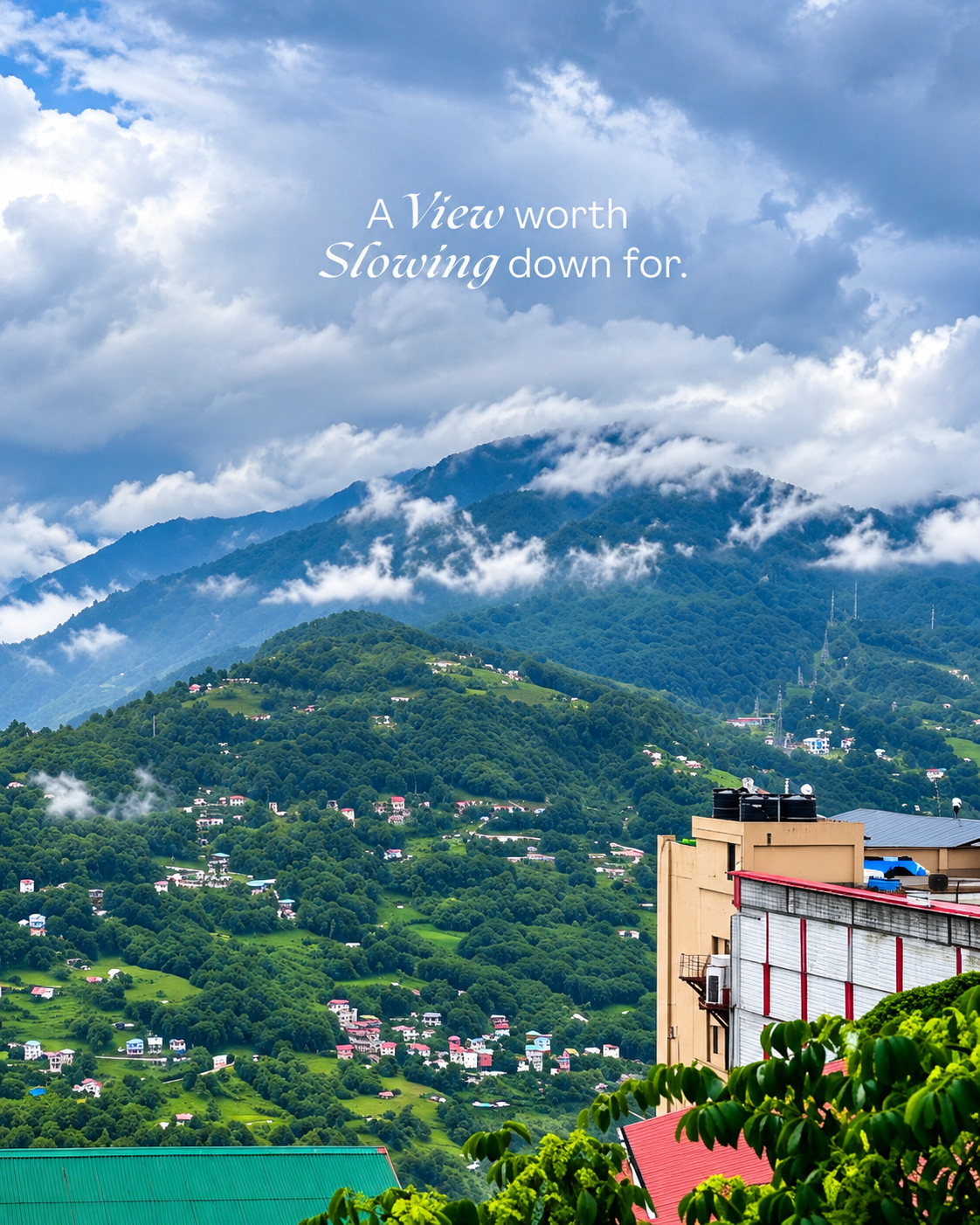
After monsoon, Gangtok turns lush, clean, and bright with crystal-clear Himalayan views.
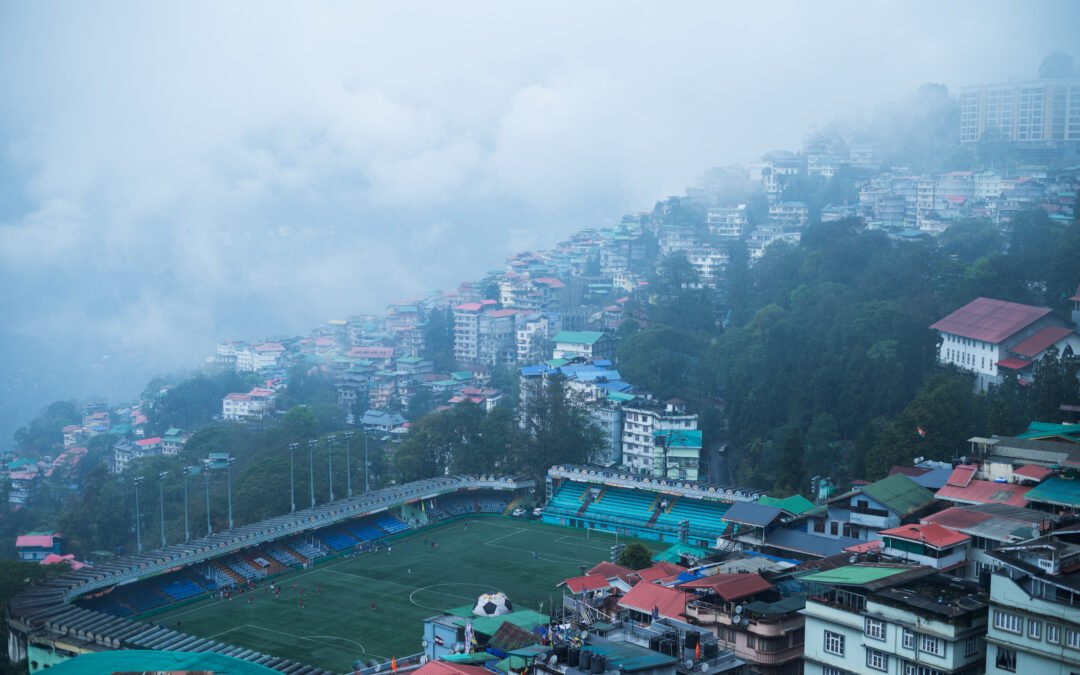
Monsoon in Gangtok (July to September) – Should You Avoid It?
Monsoon brings heavy showers, fog, and frequent landslides. Most travel experts advise avoiding this period due to:
- Blocked roads
- Limited sightseeing
- Low visibility
However, if you love monsoon vibes and budget-friendly travel, this season also has a peaceful charm.
Best Time to Visit Gangtok for Photography (October to December)
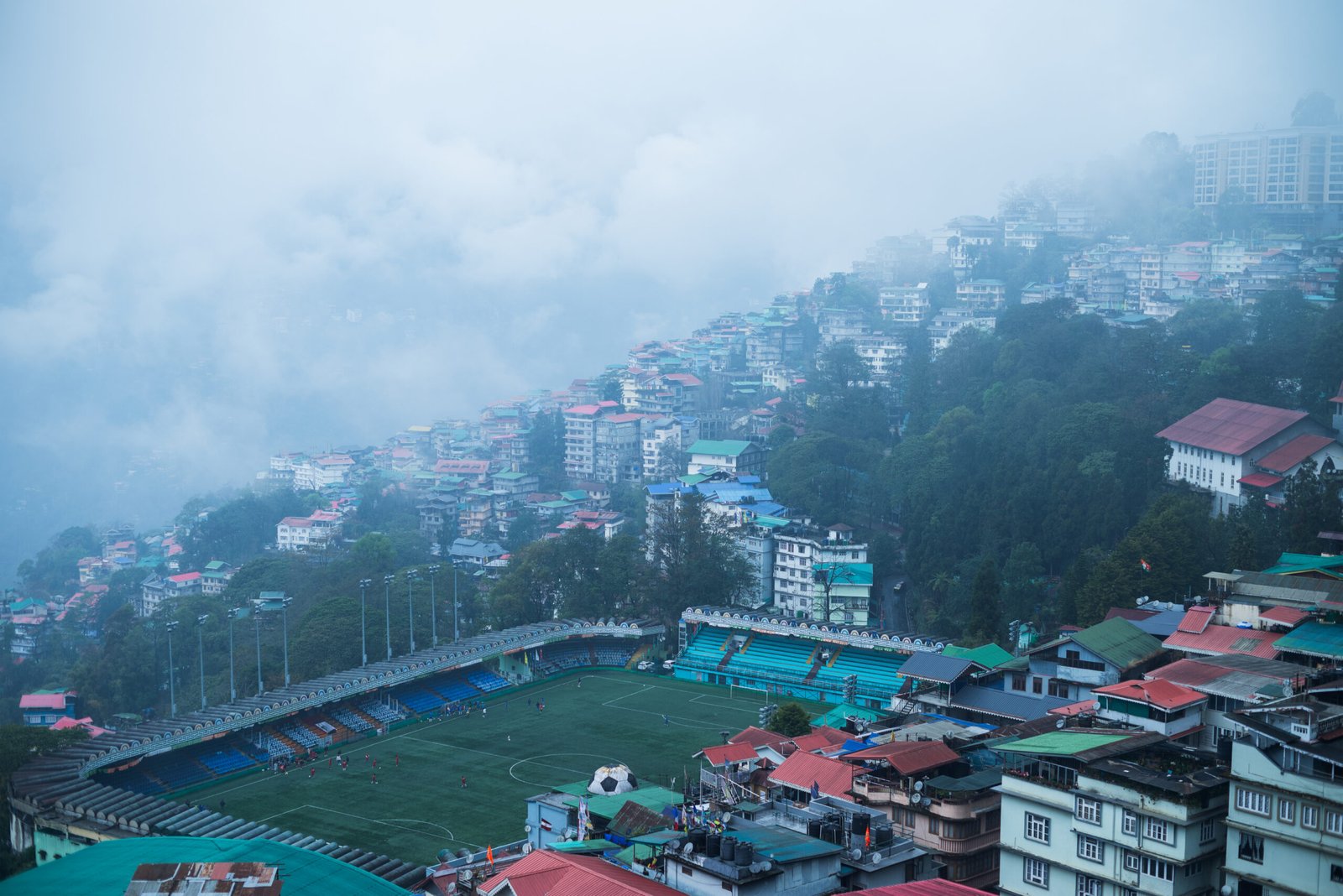
Autumn and early winter offer jaw-dropping visibility, golden sunlight, and snowy peaks. This period is a favorite among photographers and videographers.
You can capture:
- Clear Kanchenjunga views
- Misty forests
- Colorful sunsets
- Snow-dusted valleys
Season-by-Season Summary
| Season | Months | Best For | Highlights |
| Winter | Dec–Feb | Snow | Tsomgo, Nathula, Zero Point |
| Summer | Mar–Jun | Sightseeing | Monasteries, MG Marg, lakes |
| Autumn | Oct–Dec | Photography | Clear skies, crisp views |
| Monsoon | Jul–Sep | Budget Travel | Lush greenery (but risky roads) |